The British Community in Argentina: Finding Your People
Argentina has one of the oldest British expat communities in South America, dating back to the 1800s. Here's how to connect — from historic institutions to WhatsApp groups.
 Thomas SinclairWriter and editor · London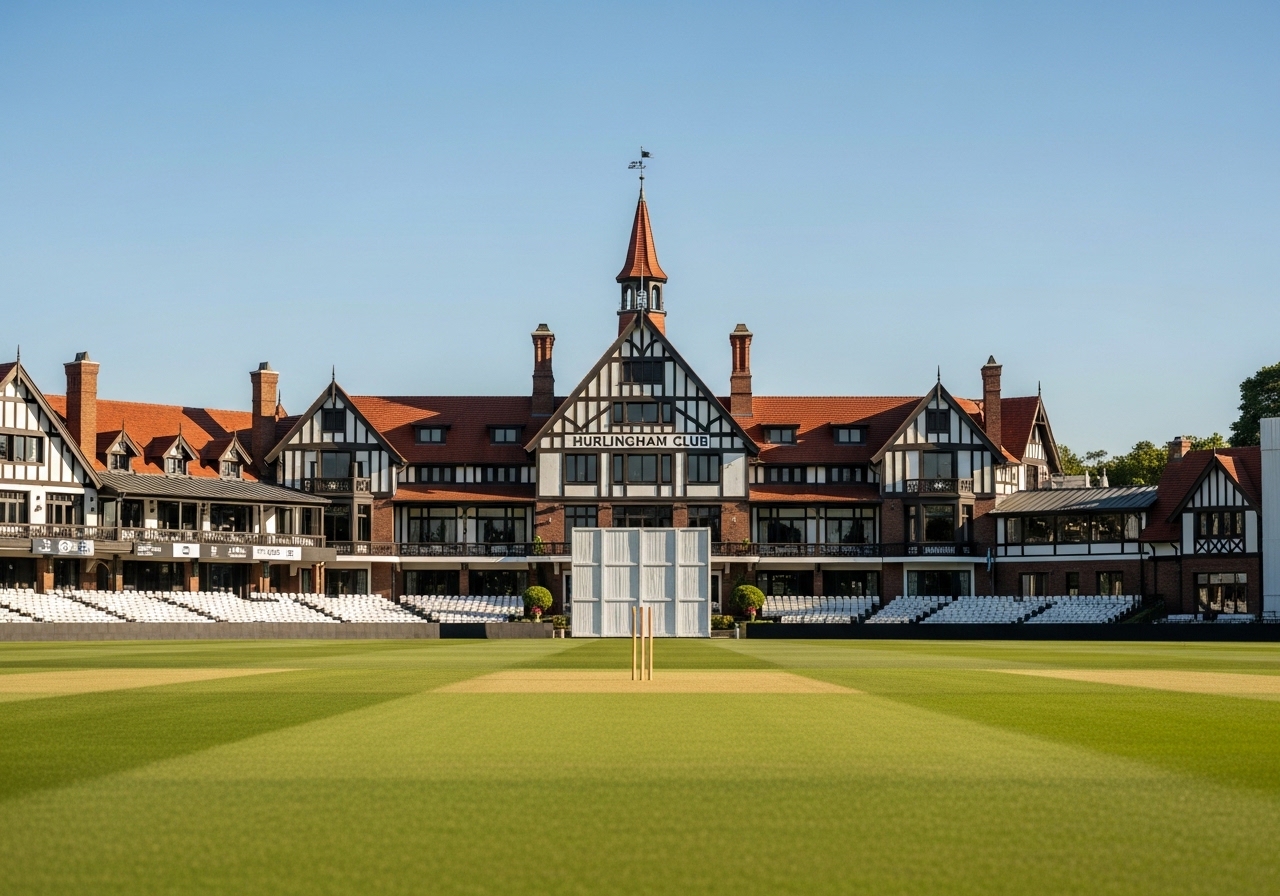
The Anglo-Argentine community is small enough that you'll bump into familiar faces within weeks, but large enough that it doesn't feel claustrophobic.
Argentina's British connection runs deeper than most people realise. The UK community here isn't a recent expat phenomenon — it's a historical one. British engineers built Argentina's railways in the 19th century, British ranchers developed much of the Pampas, and British merchants established trading houses that shaped Buenos Aires' economic growth. At its peak in the early 1900s, the British community in Argentina numbered over 100,000.
Today, the Anglo-Argentine community is smaller but remarkably well-organised. There are schools, clubs, churches, a hospital, and cultural institutions that have been running continuously for over a century.
Historic British Institutions
Schools:
- St Andrew's Scots School (Olivos) — founded 1838, bilingual English-Spanish
- Buenos Aires English High School — one of the oldest English-medium schools in South America
- Northlands School (Olivos) — prestigious bilingual school
- St George's College (Quilmes) — founded 1898
These schools serve both Anglo-Argentine families and new British expats. They follow a bilingual curriculum and many offer the IB alongside Argentine qualifications. If you're moving with children, the school network is often your fastest route into the community.
Clubs:
- Hurlingham Club (Hurlingham) — founded 1888, the classic Anglo-Argentine sporting club. Cricket, rugby, tennis, polo. Still has a distinctly British feel with its Tudor-style clubhouse.
- Buenos Aires Cricket & Rugby Club (BACRC, Palermo) — founded 1864. Hosts social events, match days, and the annual Burns Night supper.
- Belgrano Athletic Club — rugby and social club with strong British roots.
- Rosario Athletic Club — for those in Rosario rather than BA.
The British Hospital (Hospital Británico):
Founded in 1844, this is a full-service private hospital in Barracas. It's not exclusively for British patients — it's a major Buenos Aires hospital that anyone can use — but it has historical ties to the British community and many English-speaking doctors.
Churches:
- St John's Cathedral (Anglican, Microcentro) — founded 1831, the hub of the Anglican community
- St Andrew's Presbyterian Church (various locations)
- Several Methodist and Baptist congregations with British heritage
Modern Expat Networks
Beyond the historic institutions, the day-to-day British expat community runs largely through informal channels:
Facebook Groups:
- "Brits in Buenos Aires" — the largest general group, active with housing tips, meetup announcements, and mutual support
- "British Expats Argentina" — slightly more formal, good for practical questions
- "English-Speaking Parents in Buenos Aires" — invaluable if you have children
WhatsApp Groups:
These tend to be smaller and more active. You'll usually find them through Facebook groups or by meeting people at events. There are groups for different interests: running, football, pub quizzes, professional networking.
Regular Meetups:
- The Gibraltar pub (San Telmo) is the unofficial British expat watering hole — quiz nights and football screenings
- Several Palermo bars host informal English-speaking meetups weekly
- The British Embassy hosts periodic events for registered UK nationals
- Burns Night (January), St George's Day (April), and Remembrance Sunday (November) are community gathering points
Professional Networks:
- British Argentine Chamber of Commerce (BACC) — essential if you're doing business or need professional connections
- LinkedIn groups for English-speaking professionals in Buenos Aires
The Anglo-Argentine Identity
It's worth understanding that many people you'll meet aren't recent British expats — they're Anglo-Argentines whose families have been here for generations. They may have British surnames (Smith, Thompson, Brown — surprisingly common in Argentina), hold both passports, and move fluidly between English and Spanish. This community has its own identity that's distinct from both recent British arrivals and Argentine culture.
Anglo-Argentines tend to be welcoming to newcomers but the relationship is different from what you'd find in, say, a British expat community in Spain. These families are Argentine — they've been here for over a century. They appreciate their British heritage but they're not expats. Understanding this distinction helps you navigate the social landscape. (If you are curious about how a more recently-arrived European community has organised itself here, the Spanish expat community in Argentina is a useful comparison — Spaniards are the other large European population in Buenos Aires, with active social clubs and cultural institutions.)
Learning Spanish — Not Optional
Even within the British community, Spanish is the default social language. Anglo-Argentine families are bilingual but their Spanish is native-level and their English may be accented or occasionally idiomatic in ways you don't expect.
More importantly, if you limit yourself to English-speaking circles, you'll miss most of what makes living in Argentina worthwhile. The culture, the humour, the warmth of Argentine friendships — all of this requires at least functional Spanish.
Most British expats find that basic conversational Spanish comes within 3–6 months of immersion, especially if you take classes. Recommendations:
- VOX Language Academy (Palermo) — popular with expats, flexible scheduling
- Instituto de Enseñanza Superior en Lenguas Vivas — the best value formal instruction
- Tandem exchanges — free, and a good way to meet Argentines
- Private tutors via Superprof or word-of-mouth (£5–10/hour)
The Falklands Question
This deserves mention. The Malvinas/Falklands war was in 1982 but the political wound remains sensitive in Argentina. In practice, you will almost never experience hostility as a British person — Argentines separate the political issue from individual people, and most will be warmly curious about why you've moved here.
That said, avoid initiating the topic unless you know your audience. If it comes up (and it will eventually), a simple "I understand it's a sensitive issue" is usually enough. Most Anglo-Argentines have developed their own way of navigating this and can offer guidance.
Frequently Asked Questions
How large is the British expat community in Argentina?
The Anglo-Argentine community, including descendants of British settlers, numbers around 100,000–200,000 people. The number of recently arrived British expats is smaller — estimated at a few thousand. Buenos Aires is the main hub, with smaller communities in Rosario, Mendoza, and Patagonia.
Are there British schools in Buenos Aires?
Yes — several established bilingual schools including St Andrew's Scots School (founded 1838), Buenos Aires English High School, Northlands School, and St George's College. These offer bilingual English-Spanish curricula, often with IB options. They serve both Anglo-Argentine families and new British arrivals.
Will Argentines be hostile because of the Falklands war?
Almost never. While the Malvinas/Falklands issue remains politically sensitive, individual Argentines consistently separate the political question from personal relationships. British expats report overwhelmingly positive reception. Avoid initiating the topic, but if it arises, a respectful acknowledgement that it's a sensitive issue is appreciated.
Sources & Official Links
Related Guides
 Daily Life
Healthcare in Argentina for UK Expats: What Replaces the NHS
Argentina has two healthcare systems — a public one and a private one. For British expats, the private sector (prepaga) is where you'll want to be.
Read guide → Daily Life
Working Remotely from Buenos Aires: The Practical Reality
Buenos Aires works well for remote workers. The café culture is excellent, the internet is generally solid, and the time zone is manageable for UK clients.
Read guide → Daily Life
Moving to Argentina with Children: Schools and Family Life
Buenos Aires has several really excellent British-curriculum schools. Getting the right one — and understanding the Argentine education landscape — takes some homework.
Read guide →