Working Remotely from Buenos Aires: The Practical Reality
Buenos Aires is increasingly popular with British remote workers. The time zone, internet infrastructure, café culture, and coworking scene — here's what you actually need to know.
 Thomas SinclairWriter and editor · London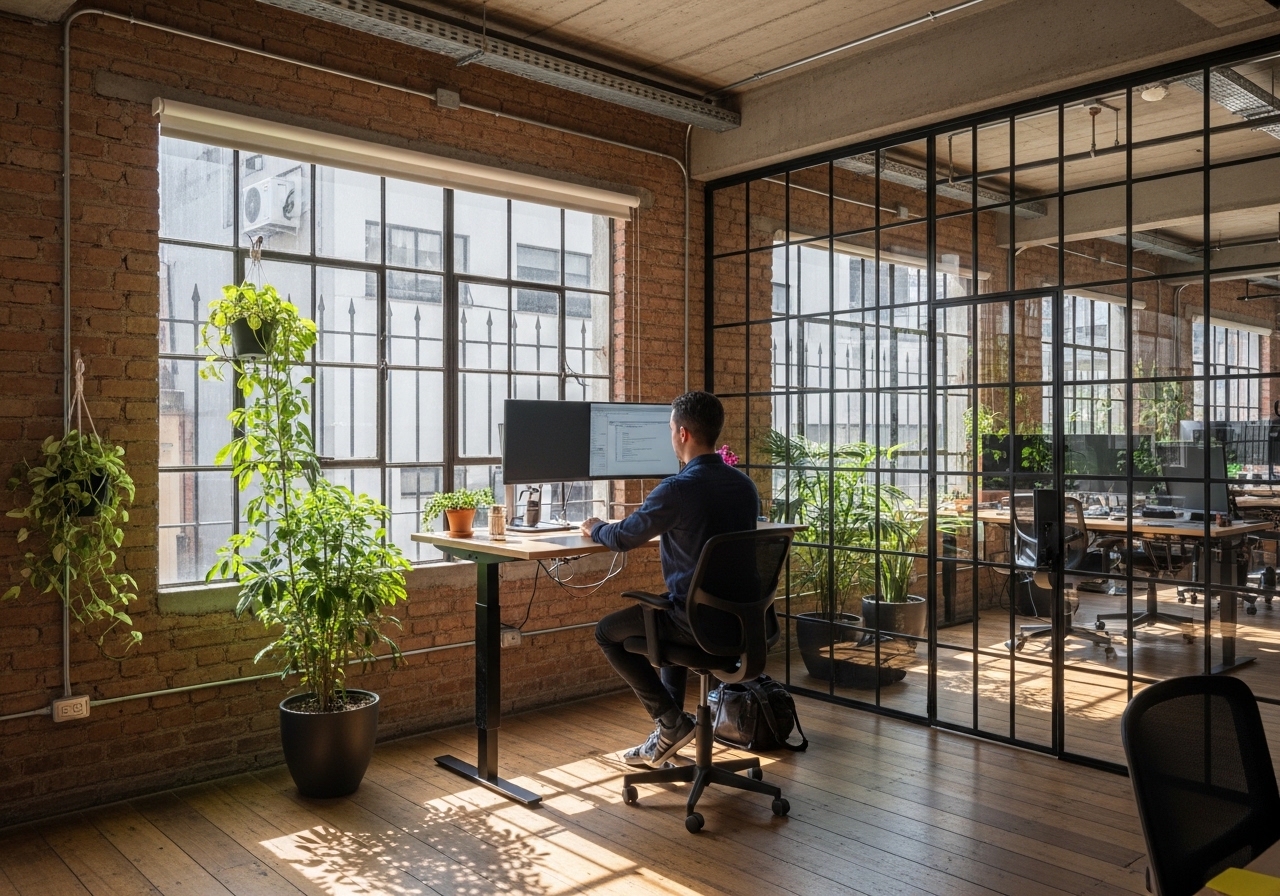
The remote work scene in Buenos Aires has properly matured. It's no longer just early-adopter tech types — the city now has a well-developed infrastructure for location-independent workers from the UK and Europe.
The Time Zone Reality
Buenos Aires is GMT-3 year-round (Argentina doesn't observe daylight saving). This means:
- UK standard time (October–March): Buenos Aires is 3 hours behind (9am UK = 6am BA)
- UK BST (April–September): Buenos Aires is 4 hours behind (9am UK = 5am BA)
For working with UK clients, this is manageable but requires structure. A typical setup for UK-client remote workers in Buenos Aires: work through the Buenos Aires afternoon and evening, when it's UK working hours. This gives you mornings free — which, in a city where the culture runs late, is perfectly aligned with Buenos Aires life anyway.
The time zone becomes more of an issue if you need to be available for UK morning calls. Early starts are possible but tiring over time.
Internet Infrastructure
In a well-maintained apartment in Palermo, Belgrano, or Recoleta, you can expect:
- FTTH (fibre to home): 100–500 Mbps, increasingly common in newer buildings
- ADSL/cable: 20–50 Mbps, still common in older buildings
- Reliability: generally good, though power outages (see below) affect it
When flat-hunting, ask specifically about internet: who the provider is (Fibertel/Cablevision, Telecentro, and Movistar are the main ISPs), what the speed is, and whether there's fibre to the building. This is a legitimate dealbreaker for remote workers.
Backup internet: A good Argentine SIM with a solid data plan (Personal tends to have best 4G coverage) is worth having. A physical SIM that you can tether from when needed has saved many a deadline.
Power Cuts
Buenos Aires does get power outages, particularly in summer during heat waves when the grid is under stress. They're typically brief (hours, not days) and more common in southern barrios than northern ones. For remote workers, a UPS (uninterruptible power supply) on your router and laptop is a sensible investment — about USD 50–80 at electronics shops and protects against the most common issue (brief cuts during calls or before saves).
Cafés and Coworking
Buenos Aires has an exceptional café culture, and many are set up for working — good WiFi, power sockets, long opening hours, and a culture that doesn't expect you to leave after one coffee.
Coworking spaces: The Palermo coworking scene is mature. Major options:
- Areatres Palermo: well-established, good community, flexible memberships
- Urban Station: multiple locations, day passes available (around USD 15–20/day)
- Regus / IWG: for those who want something more corporate
- WeWork: present in Buenos Aires, same experience as anywhere
Monthly coworking desks typically cost USD 150–300 — significantly less than London or Manchester equivalents.
What Changes About Working Life
The city's rhythm is different. Lunch is taken seriously, often 1–2 hours. Dinner starts at 9pm. The social life of Buenos Aires gravitates toward evenings and weekends. For remote workers aligning with UK time, this can work naturally — you're wrapping up UK calls around 6–7pm BA time, which puts you right at the start of porteño (Buenos Aires local) evening social life.
Frequently Asked Questions
Is the Buenos Aires time zone good for working with UK clients?
Manageable. Buenos Aires is 3–4 hours behind the UK depending on the season. UK afternoon = Buenos Aires morning/midday. You'll need to work into the evening to cover UK working hours, but this aligns well with Buenos Aires' later culture.
Is the internet in Buenos Aires reliable enough for remote work?
In a good modern flat in central barrios, yes — 100–500Mbps fibre is increasingly common. Check internet speed and provider when flat-hunting; it varies significantly between buildings.
Related Guides
 Daily Life
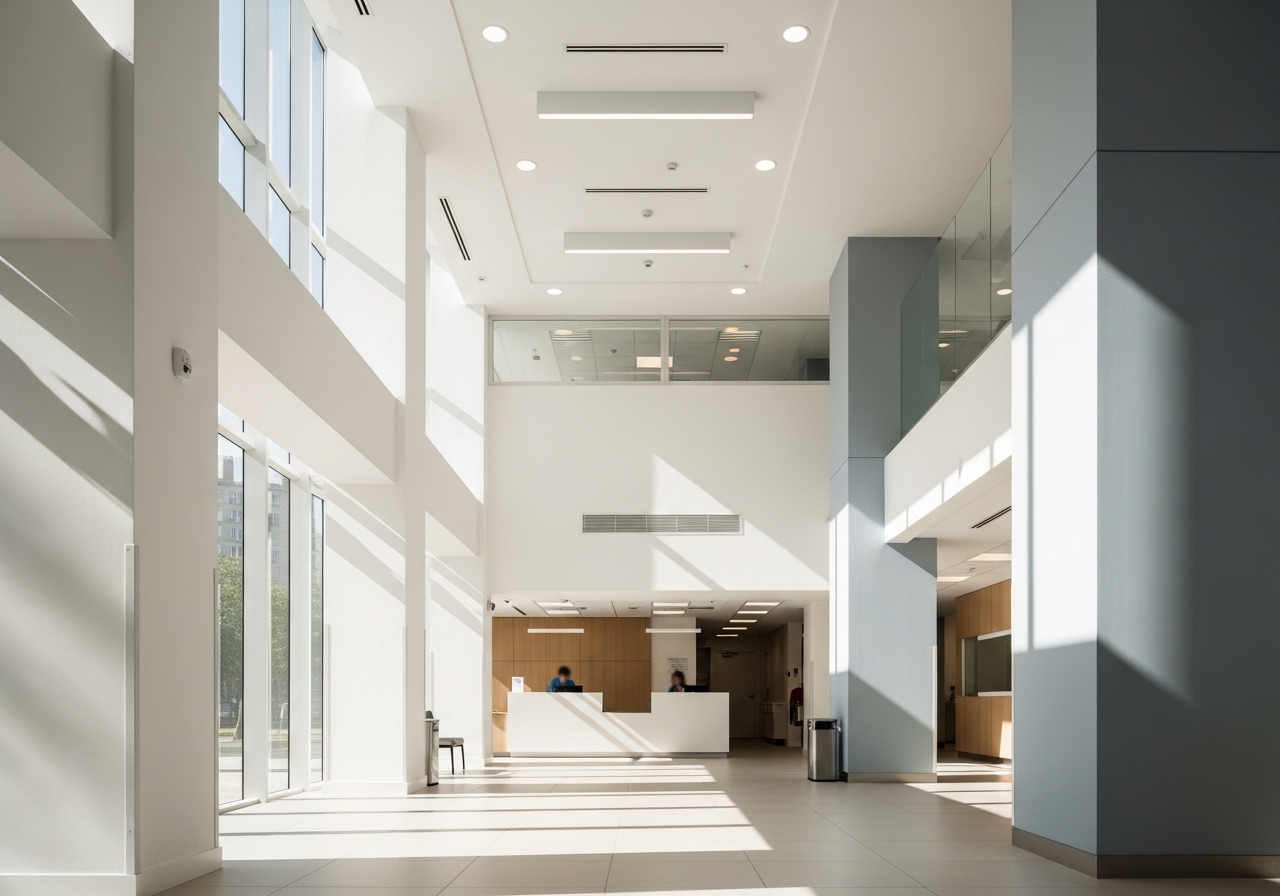
Healthcare in Argentina for UK Expats: What Replaces the NHS
Argentina has two healthcare systems — a public one and a private one. For British expats, the private sector (prepaga) is where you'll want to be.
Read guide →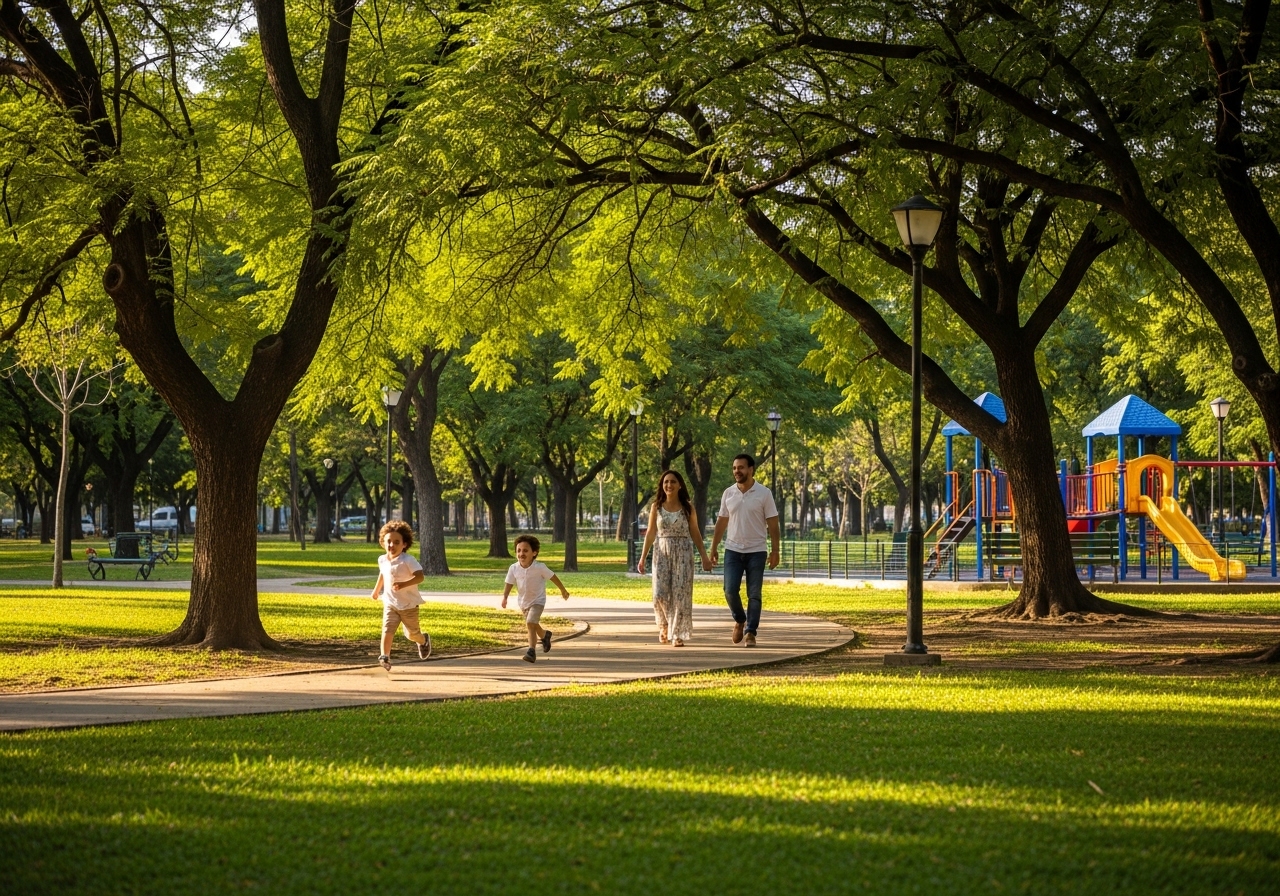 Daily Life
Moving to Argentina with Children: Schools and Family Life
Buenos Aires has several really excellent British-curriculum schools. Getting the right one — and understanding the Argentine education landscape — takes some homework.
Read guide →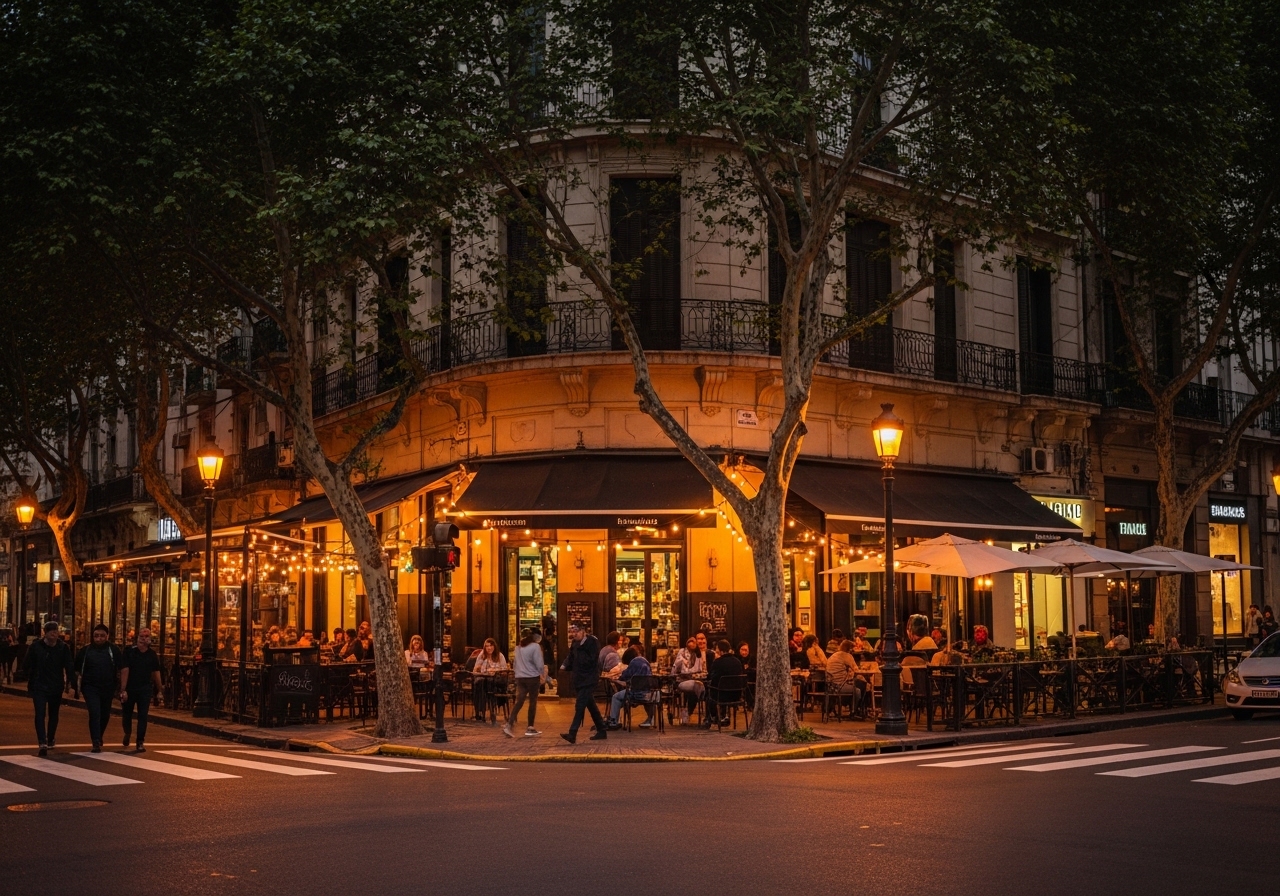 Daily Life
Is Argentina Safe? An Honest Guide for British Expats
Nobody's going to pretend Buenos Aires is Surrey. But the risks are manageable if you know the patterns.
Read guide →