Renting a Flat in Buenos Aires: How it Works for UK Expats
Renting in Buenos Aires has changed significantly since Argentina's new rental law. Here's the current reality, what the process looks like, and how to avoid common pitfalls.
 Thomas SinclairWriter and editor · London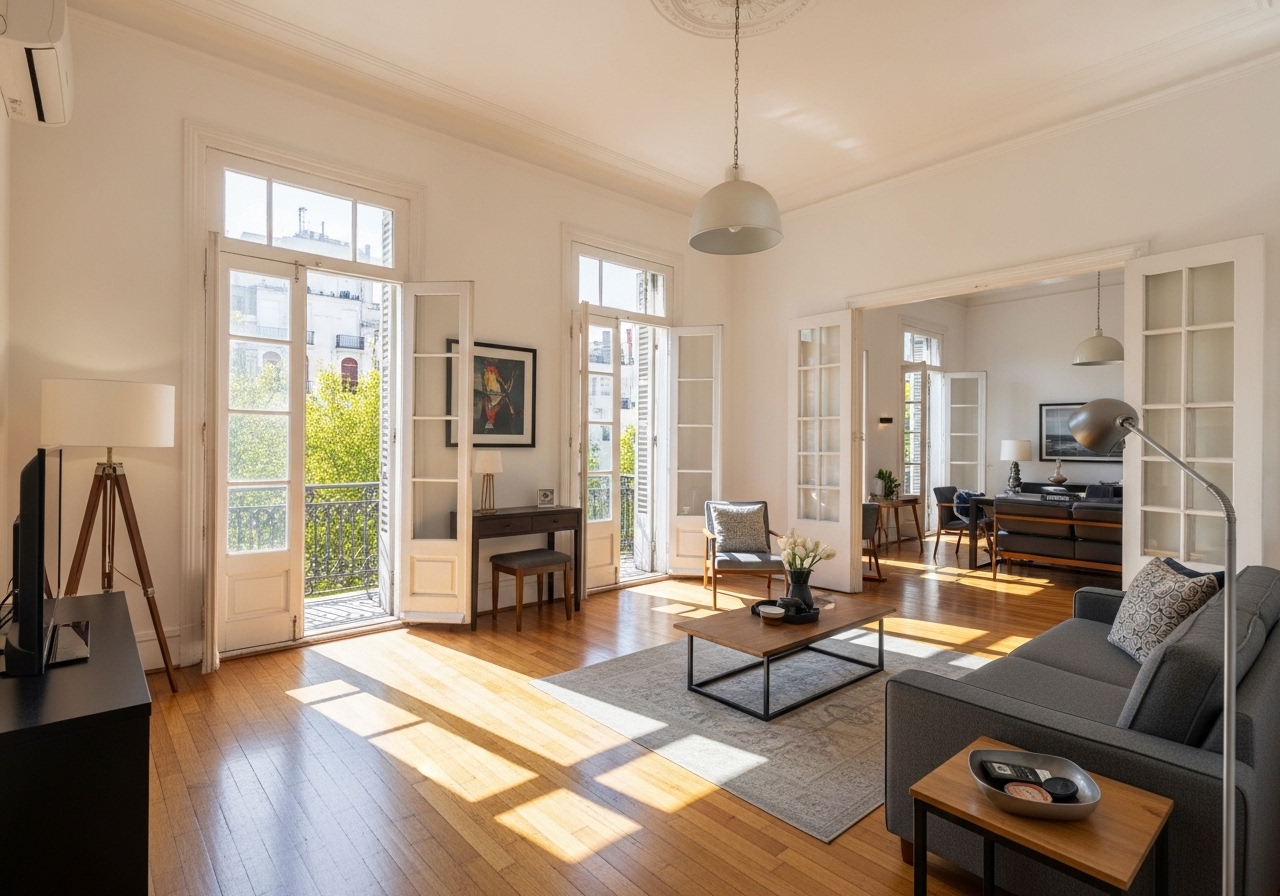
Argentina's rental law (Ley de Alquileres) was significantly revised in 2024, and the current market is meaningfully different from what you might read in guides written a few years ago. Here's the current picture.
How Buenos Aires Renting Works Now
Currency: Long-term rentals (1 year or more) are almost universally quoted and paid in USD. This is informal dollarisation — owners don't want to receive pesos given inflation. As a UK expat receiving sterling income, this actually works in your favour because you're dealing in hard currency rather than a depreciating peso.
Prices are typically quoted in USD/month; payment is often in cash or via transfer to the owner's USD account. Some landlords accept payment in pesos at the blue rate, which amounts to the same thing practically.
Contract terms: Standard long-term leases are 2–3 years. After the 2024 law changes, the previous mandatory annual price adjustment rules were loosened, and now contracts are more freely negotiated between landlord and tenant.
Deposit: Typically 1–2 months in advance plus 1–2 months' deposit (held until end of tenancy and returned, minus any damages). Budget for 3–4 months' rent upfront when first renting.
The Guarantor Problem
Argentine rental contracts traditionally require a "fiador" — a guarantor who owns property in Buenos Aires and can be held liable if you default. Obviously, as a newly arrived British expat, you don't have an Argentine friend with property to put up as guarantee.
The practical solutions:
Seguro de caución: A rental insurance product (offered by Fianzas Online, BRZ Seguros, and others) that substitutes for a fiador. You pay roughly 3–5% of annual rent as a premium, and the insurer acts as guarantor. This has become the standard solution for expats and Argentine tenants without property-owning family.
Temporary rentals / owner agreements: For shorter leases or furnished flats aimed at the expat market, some landlords waive the fiador requirement and accept a larger deposit instead. This is common in Palermo and Belgrano where the expat market is established.
Finding Flats
The main platforms:
Zonaprop — Argentina's dominant property portal, like Rightmove. Lists thousands of long-term rentals by neighbourhood, size, and price. Mostly in USD.
Argenprop — second major portal, good coverage.
Facebook groups — "Alquiler Palermo", "Buenos Aires Expats" — direct landlord listings without agent fees, often better deals.
Real estate agencies (inmobiliarias) — if you use an agent, expect to pay one month's rent as commission on top. Some agents specialise in expat clients.
Short-Term First: The Right Approach
Don't try to sign a long-term lease before you've arrived and spent at least 2–4 weeks in the city. Palermo looks great on Instagram but you might prefer the quieter streets of Belgrano once you've lived it. Take a serviced apartment or Airbnb for your first month, use the time to look at flats in person, and commit once you know what suits you.
The Buenos Aires apartment market moves reasonably quickly but not London-fast. You won't miss everything by taking a couple of weeks to decide.
Furnished vs. Unfurnished
Long-term leases in Buenos Aires are often unfurnished (sin muebles) or partially furnished (semi-amoblado). This differs from the typical UK model where rental flats are usually furnished. Budget for buying basic furniture if your long-term lease is unfurnished — fortunately Argentine furniture and homeware stores are affordable. IKEA doesn't operate in Argentina, but there are many alternatives.
Furnished flats (amoblado) are more common for short to medium-term leases and the expat-targeted market. They're more expensive per month but avoid the upfront furniture cost.
Frequently Asked Questions
Do you need a guarantor to rent in Buenos Aires?
Traditional leases require a local property-owning guarantor, which most expats don't have. The practical alternative is a 'seguro de caución' — rental insurance that substitutes for a guarantor, costing roughly 3–5% of annual rent.
Are Buenos Aires rentals paid in pesos or dollars?
Long-term rentals are almost universally quoted and paid in USD — Argentina's informal dollarisation of the rental market. This actually benefits UK expats receiving hard-currency income.
Where do I find flats to rent in Buenos Aires?
Zonaprop and Argenprop are the main portals. Facebook groups like 'Buenos Aires Expats' have direct landlord listings. Real estate agencies charge one month's rent commission.
Sources & Official Links
Related Guides
 Property
Buying Property in Argentina as a British Citizen
Buying in Argentina as a foreigner is legally allowed and not uncommon, but it's a more complex process than buying in the UK and requires local expertise.
Read guide → Property
Property Due Diligence in Argentina: What to Check Before You Buy
Argentine property due diligence is not the same as conveyancing in the UK. Here's what to look for and why title problems are more common than they should be.
Read guide →