Living in the Argentine Countryside: Beyond Buenos Aires
Buenos Aires isn't Argentina. The countryside — from Mendoza wine country to Patagonian estancias — offers a completely different life. Here's what British expats need to know.
 Thomas SinclairWriter and editor · London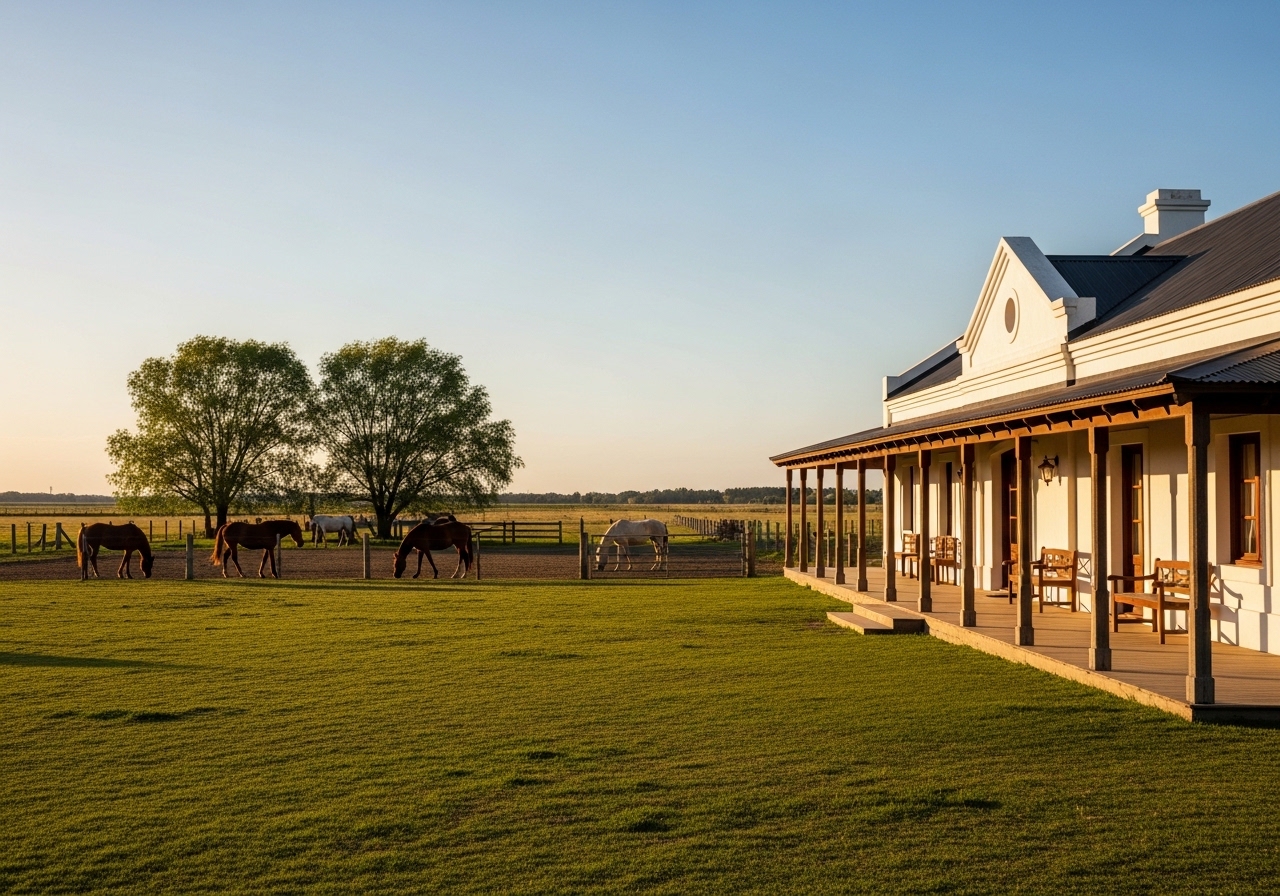
Rural Argentina runs at a different speed. If you're escaping the London rat race, this is the antidote — but you need to be self-sufficient in ways you haven't been since university.
Argentina is an enormous country — the eighth largest in the world by area. Buenos Aires, for all its cultural gravity, represents a tiny fraction of what the country offers. The provinces provide a quality of life that's radically different: space, silence, natural beauty, and costs that make even Buenos Aires look expensive.
For British expats, the most realistic countryside options fall into three broad categories: wine country (Mendoza, Salta), lakeside Patagonia (Bariloche, San Martín de los Andes), and the sierras (Córdoba hills, Tandil, Sierra de la Ventana). Each has its own character and practical considerations.
Mendoza: Wine Country
Mendoza is Argentina's most accessible countryside option for foreign expats. The city of Mendoza (population ~1 million metro area) provides a proper urban base, while the surrounding wine regions — Luján de Cuyo, Maipú, Uco Valley — offer rural living within an hour's drive of shops, hospitals, and the airport.
Why British expats choose Mendoza:
- The Andes mountains as a daily backdrop — really spectacular
- Wine culture that's world-class and absurdly affordable
- Sunshine: 300+ clear days per year (a revelation after British weather)
- Lower cost of living than Buenos Aires
- Skiing in winter (Las Leñas, Penitentes) and trekking in summer
- A small but established international expat community
Property in Mendoza region:
- Small house in a Mendoza suburb: £30,000–70,000
- House with vineyard or land in Luján de Cuyo: £80,000–200,000
- Modern finca (country house) in Uco Valley: £100,000–300,000
- For comparison, a similar property in Provence or Tuscany would cost 3–5x more
Practical considerations:
- Mendoza city has good hospitals (Hospital Español, Hospital Central) and private clinics
- International flights connect through Buenos Aires (2-hour flight) — no direct UK connection
- Water is an issue: Mendoza is an oasis in a semi-desert. Irrigation rights matter if you're buying agricultural land
- Earthquakes occur (Mendoza is seismically active) — building standards account for this, but it's worth knowing
Patagonian Lake District: Bariloche and Surrounds
San Carlos de Bariloche and San Martín de los Andes sit in the Andean lake district — Argentina's answer to Switzerland. Think pine forests, snow-capped mountains, glacial lakes, and wooden chalets.
The appeal:
- Extraordinary natural beauty — properly some of the most spectacular landscape in the world
- Ski season (June–September) and summer outdoor season (December–March)
- Strong tourism infrastructure means restaurants, shops, and services are better than you'd expect for a small city
- Chocolate shops. Many chocolate shops.
The reality check:
- Winter is cold. Properly cold. -5 to -15°C is normal, with heavy snowfall. If you've lived in the British Midlands, this is still colder
- Isolation: Bariloche is 1,600km from Buenos Aires (2-hour flight, 18+ hour drive)
- Employment is tourism-seasonal — off-season (April–June, September–November) is quiet
- Property prices are higher than Mendoza — the tourism premium pushes values up
- Internet connectivity can be inconsistent in surrounding areas
Property prices:
- Apartment in Bariloche town: £40,000–100,000
- House with garden: £80,000–200,000
- Lakeside cabin/property: £150,000–500,000+
The Sierras: Córdoba, Tandil, Sierra de la Ventana
The sierras (low mountain ranges) in central Argentina offer a middle ground: countryside living within reasonable distance of a major city.
Córdoba sierras (4-5 hours from Buenos Aires):
- Villa General Belgrano, La Cumbrecita, Los Reartes — charming mountain towns
- Strong Germanic heritage (post-war immigration) gives some towns an Alpine village feel
- Property prices are the lowest of the countryside options: houses from £20,000–80,000
- Córdoba city (Argentina's second-largest) is nearby for services
Tandil (4 hours from Buenos Aires):
- Popular with Argentine families seeking escape from the capital
- Rolling hills, dairy farming country — feels vaguely like the Cotswolds if you squint
- A growing artisanal food scene (cheeses, charcuterie)
- Close enough to Buenos Aires for weekend trips
Practical Infrastructure
Internet: Argentina's internet infrastructure drops off sharply outside major cities. Fibre optic is available in Mendoza city, Bariloche centre, and Córdoba, but once you're 20 minutes outside these urban cores, you're looking at 4G/5G mobile data (improving but variable) or satellite internet (Starlink has arrived in Argentina and is a game-changer for rural connectivity — around USD 50/month after hardware).
Healthcare: Provincial hospitals exist but are less well-equipped than Buenos Aires private clinics. For serious medical issues, you may need to travel to the nearest major city. Private prepaga (health insurance) covers this, but ambulance response times in rural areas can be long. Always know where your nearest hospital is and keep a car fuelled.
Shopping: Small towns have almacenes (general stores) and fresh food markets, but for imported goods, electronics, or specialised items, you'll shop in the nearest city. Online shopping reaches most areas but delivery times outside Buenos Aires are measured in weeks, not days.
Utilities: Electricity is generally reliable in established areas but power cuts (cortes de luz) happen more frequently in rural zones, especially during summer storms. A generator is a sensible investment for anything remote. Gas may be bottled (garrafa) rather than piped in rural areas. Water is often from wells (pozo) rather than mains.
The Self-Sufficiency Factor
Rural Argentina demands a level of self-sufficiency that most British people haven't needed since moving out of their parents' house. Things that are trivially easy in the UK — getting a plumber, ordering online, popping to a supermarket — require more planning in the Argentine countryside.
This is part of the appeal for many people: the slower pace, the self-reliance, the connection to the land. But it's worth being honest with yourself about whether you're suited to it or whether you're romanticising a lifestyle you've only experienced on holiday.
Good tests before committing:
- Rent in your target area for 3–6 months before buying property
- Live through winter, not just summer — every place is lovely in sunshine
- Check how you feel about a 45-minute drive to a proper supermarket
- Verify internet speed at the actual property, not in the town centre
The Community Question
Small-town Argentina is welcoming but integration takes effort and time. Your Spanish needs to be functional (English is much less commonly spoken outside Buenos Aires). Social life revolves around family, local events (fiestas patronales, harvest festivals), and shared activities rather than the café-and-bar culture of the capital.
Some areas have small international communities (Mendoza's wine industry attracts foreigners; Bariloche has a diverse mix), but in most countryside towns, you'll be the only British person. For some, that's the point. For others, the isolation can be challenging — especially in the first year.
Frequently Asked Questions
What is the best countryside area in Argentina for British expats?
Mendoza wine country is the most popular and practical choice for British expats seeking countryside life. It offers stunning Andean scenery, world-class wine culture, 300+ sunny days per year, affordable property, and good infrastructure (hospitals, airport, shops) within the metro area. Bariloche appeals for mountain/lake lovers willing to handle cold winters. The Córdoba sierras are cheapest but most basic in infrastructure.
How much does a country house cost in Argentina?
Countryside property prices vary significantly by region: Córdoba sierras from £20,000–80,000, Mendoza suburbs from £30,000–70,000, a Mendoza finca with land from £80,000–200,000, and Patagonian lakeside properties from £150,000–500,000+. All of these represent dramatic savings compared to equivalent rural properties in the UK, France, or Italy.
Can I get reliable internet in rural Argentina?
It depends on exactly where. Fibre optic reaches city centres (Mendoza, Bariloche, Córdoba). Outside urban cores, 4G/5G mobile data is the main option — improving but variable. Starlink satellite internet has arrived in Argentina (around USD 50/month) and is transforming rural connectivity. Before buying property, verify the actual internet speed at the location, not just in the nearest town.
Sources & Official Links
Related Guides
 Where to Live
Best Areas of Buenos Aires for British Expats
Buenos Aires has a lot of distinct neighbourhoods. For British expats, the choice usually comes down to five or six that offer the combination of infrastructure, safety, and quality of life you're looking for.
Read guide →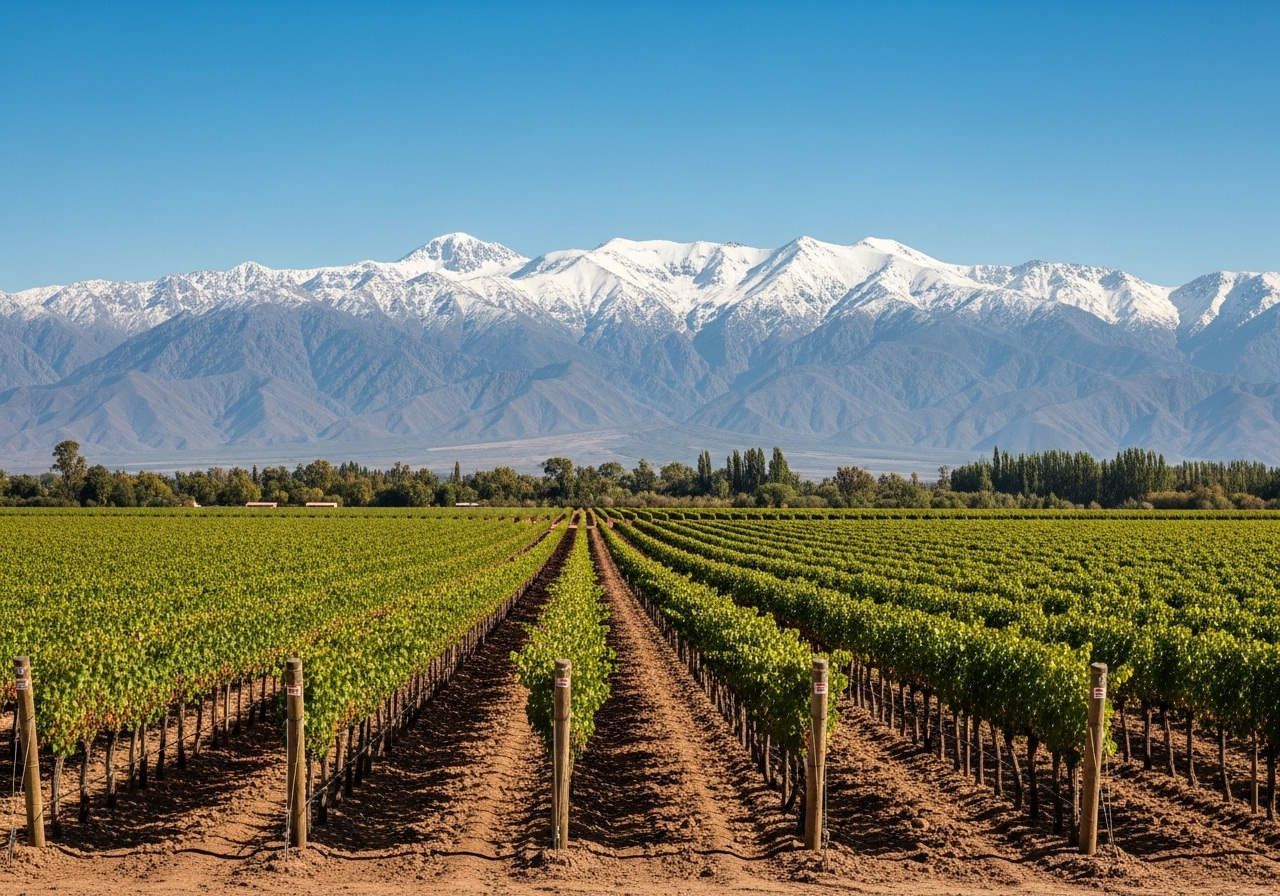 Where to Live
Living Outside Buenos Aires: Mendoza, Córdoba, and Bariloche
If you want space, scenery, and a slower pace, Argentina outside Buenos Aires is brilliant. Here are the main options British expats seriously consider.
Read guide →