Argentina Visa for UK Citizens: What You Actually Need
British passport holders can enter Argentina visa-free for 90 days. But if you're planning to stay longer or work there, here's exactly what you need to know about residency options.
 Thomas SinclairWriter and editor · London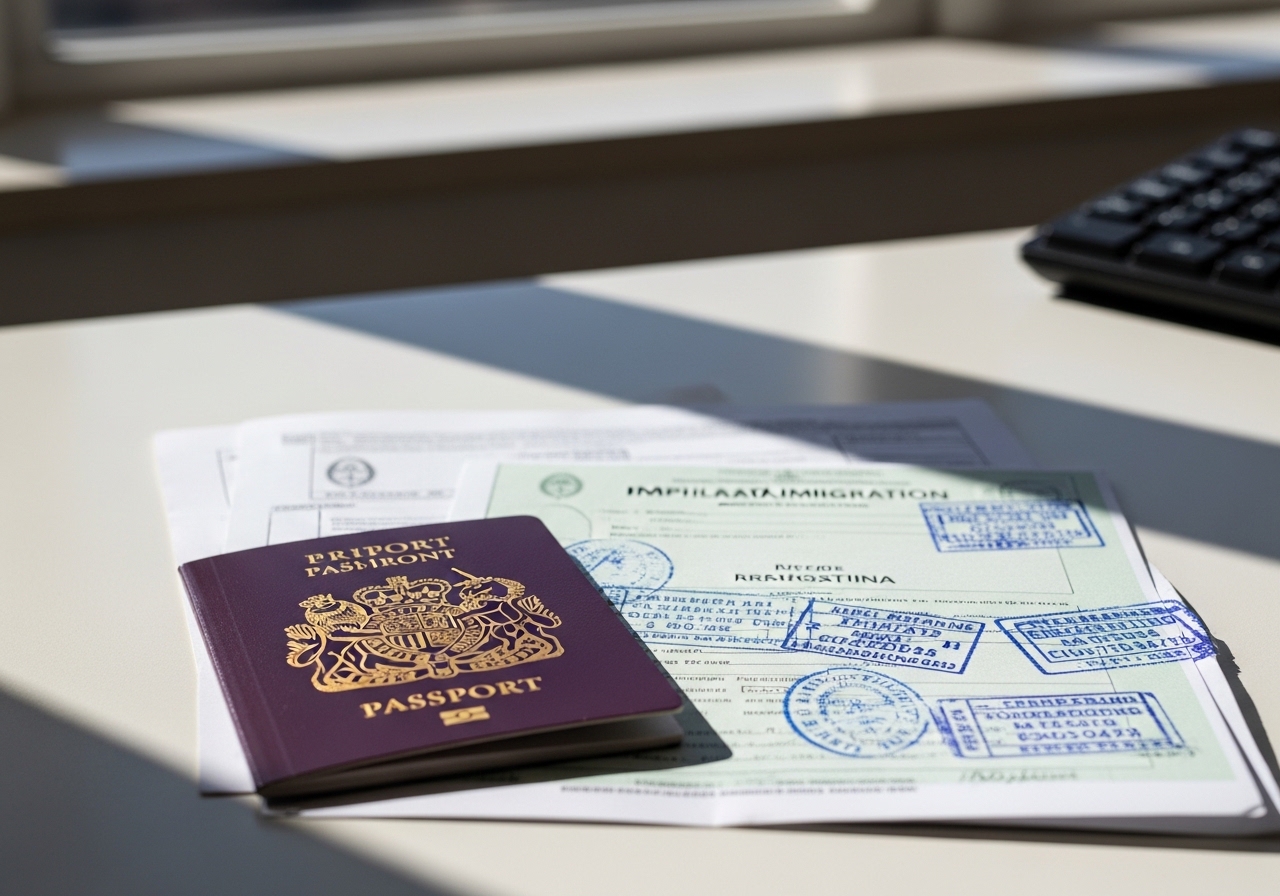
Most British expats start on tourist entry, but understanding your options early saves a lot of scrambling later.
Argentina is unusually welcoming to British visitors. Your UK passport is worth 90 days on arrival — no visa stamp, no pre-approval. You queue at Ezeiza, you hand over your passport, and you are in.
Ninety days goes faster than you'd think. The first three weeks vanish on flat-hunting. Another two go on sorting a CUIL number and trying, and failing, to open a proper bank account. By the time you've worked out which barrio you actually want to live in, you're already past halfway through the stamp. So it is worth understanding your options before you land, not after.
The Prorroga: Buying More Time
If you need more than 90 days but aren't ready to commit to formal residency, you can apply for a prorroga — a one-time 90-day extension — at the Dirección Nacional de Migraciones office in Buenos Aires (Av. Antártida Argentina 1355, near Retiro station).
The fee is around ARS 5,000–8,000 (a few pounds at the blue dollar rate). You'll need your passport, proof of address in Argentina, and ideally a reason for staying — though in practice they rarely interrogate this. Book your appointment online at migraciones.gob.ar well in advance; slots fill up weeks out.
Total tourist time: 180 days. After that, you either leave Argentina briefly (a short trip to Uruguay is the classic move) or you start proper residency proceedings.
Residency Options for British Expats
Digital Nomad Visa (Rentista Digital)
Launched in 2022, this is the cleanest option for anyone working remotely for a UK employer or as a freelancer. Requirements:
- Proof of employment or self-employment outside Argentina
- Income of at least USD 2,500/month (they'll want bank statements or a payslip)
- Clean criminal record certificate from the UK (apostilled — see our guide on apostilles)
- Valid UK passport
- Health insurance with Argentine coverage
The Digital Nomad Visa grants one year's legal residency and can be renewed. It does not give you the right to work for Argentine companies, but that's rarely the point for remote workers.
Rentista Residency
If you have passive income — a UK State Pension, private pension, rental income from UK property, or investment dividends — Rentista is the route designed for you. You'll need to demonstrate a stable income of roughly USD 1,500–2,000/month. This is the visa most British retirees end up on.
Pensionado Residency
Specifically for retirees drawing a pension. Similar income requirements to Rentista but specifically requires proof you're receiving a pension payment. Straightforward for those with a UK State Pension, though the pension freeze rule is a separate (important) issue — see our pensions guide.
Temporary Residency via Employment
If you've been offered work by an Argentine company, they will need to sponsor your residency application. This is less common for British expats and involves more bureaucracy on both sides.
A note on nationality shortcuts. The UK is not part of Mercosur, so British applicants go through the standard pathways above — there is no fast-track. Some other European nationalities do get shortcuts: Spanish citizens, for example, qualify for a 2-year Mercosur residency path under a specific bilateral arrangement. If you have a Spanish spouse or dual nationality, it is worth reading the visa pathway guide for Spanish nationals before picking which passport to apply with.
The Process in Practice
Don't underestimate how document-heavy Argentine immigration is. Virtually every UK document you submit — birth certificate, criminal record, marriage certificate if relevant — needs to be apostilled by the FCDO before Argentina will accept it.
Apostille costs roughly £30–45 per document through the FCDO (Foreign, Commonwealth & Development Office). Turnaround is 2–10 working days for a postal application. Budget for this early.
Once in Argentina, most expats strongly recommend hiring a local immigration lawyer (gestor de trámites migratorios) rather than navigating Migraciones solo. Fees are typically USD 500–1,500 for full residency support, which buys you someone who speaks the language, knows the current requirements (which change), and can queue at Migraciones on your behalf.
Timeline Reality Check
- Tourist entry: immediate, 90 days
- Prorroga: 2–4 weeks to get an appointment, same-day stamp
- Digital Nomad Visa: 2–4 weeks processing if documents are in order
- Temporary residency (most categories): 3–12 months, sometimes longer
- Permanent residency: available after 2 years of temporary residency
The system is not fast, but Argentina is very liveable as a tourist while you process residency in the background. Many British expats spend their first 6–12 months on rolling tourist entries while their paperwork moves through the system.
Frequently Asked Questions
Do British citizens need a visa to visit Argentina?
No. UK passport holders can enter Argentina as tourists for up to 90 days without a visa. You get the stamp at the border — no pre-application required.
Can I extend my stay beyond 90 days without getting residency?
Yes, once. You can apply for a prorroga (extension) at Migraciones for another 90 days. After 180 days total, you'd need to leave briefly and re-enter, or begin formal residency proceedings.
What's the easiest Argentina visa for UK remote workers?
The Digital Nomad Visa (officially Rentista Digital) is the most straightforward for people working remotely. It requires proof of foreign employment and income of at least USD 2,500/month.
Do I need a British criminal record check for Argentine residency?
Yes. Most residency categories require a UK Disclosure and Barring Service (DBS) check or ACRO Police Certificate, which then needs to be apostilled by the FCDO. Allow 2–4 weeks to get this sorted.
Sources & Official Links
- Dirección Nacional de Migraciones — Official Visa Categories— Argentine immigration authority — current requirements and appointment booking
- FCDO — Apostille Service— Official UK government apostille service, £30–45 per document
Related Guides
 Visas & Moving
Moving to Argentina from the UK: A Practical Guide
The logistics of moving from the UK to Argentina are more manageable than most people expect — if you know what to sort in the right order.
Read guide → Visas & Moving
Argentina Digital Nomad Visa: The Honest Guide for UK Remote Workers
Argentina's remote work visa is genuinely good — flexible, not absurdly expensive, and gets you legal in a country that's brilliant to live in.
Read guide → Visas & Moving
Apostilling UK Documents for Argentina: Costs, Timelines, and What to Watch Out For
An apostille is a standardised international authentication stamp. Argentina requires one on virtually every official UK document you submit.
Read guide →